Why Some of the Best-Paying Drivers Never Touch a Load Board
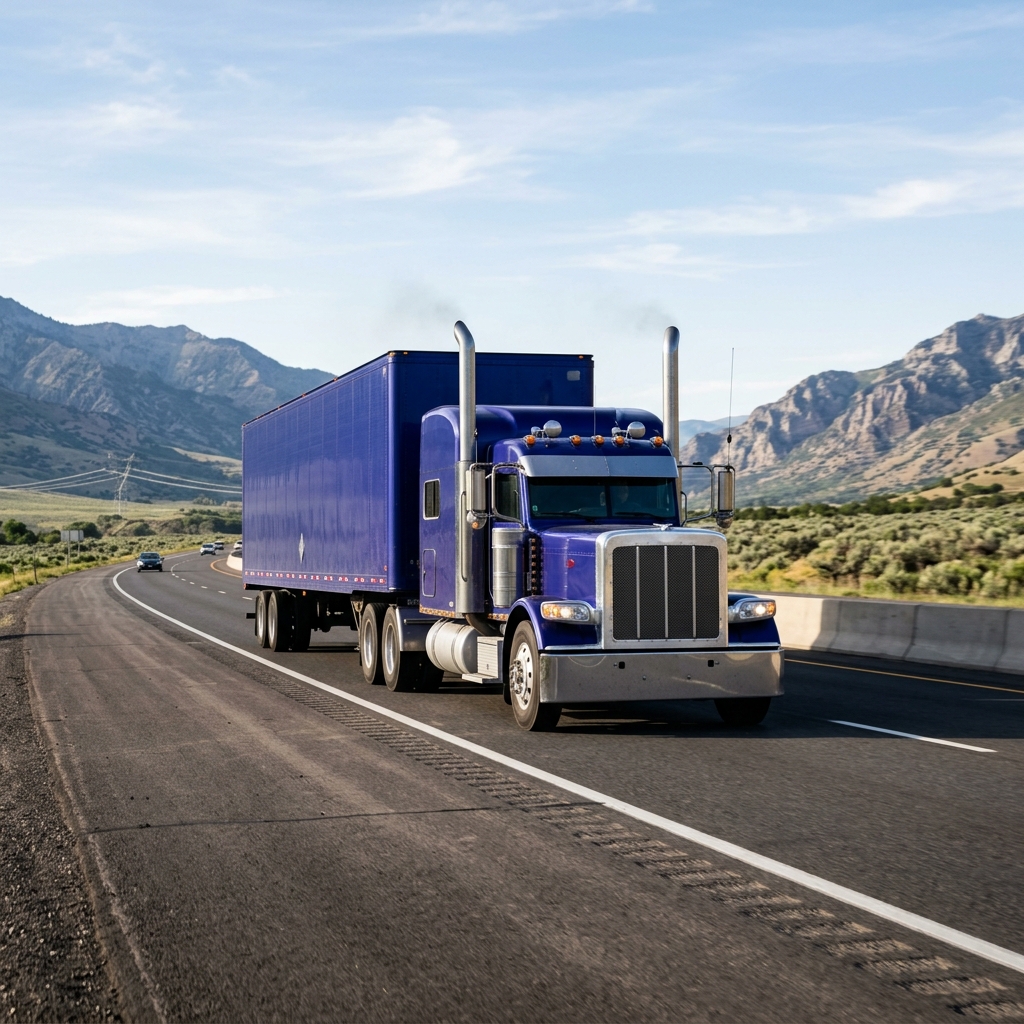
If you've spent any time parked at a truck stop scrolling load boards at 9pm trying to find tomorrow's freight, you already know the second job nobody warns you about when you get into trucking: dispatching yourself.
Finding parking, planning your route, and searching for your next load are all part of the same problem — nobody handed you a manual for the business side of trucking. You learned to drive. Nobody taught you how to negotiate a rate, read a broker's payment history, or figure out why the load that looked great on paper left you deadheading 200 miles to get home.
That's where a growing number of owner-operators are making a change: instead of splitting their attention between driving and dispatching, they're either hiring a dispatcher or learning the dispatching side of the business themselves — sometimes so they can dispatch their own truck, and sometimes because they've realized dispatching is a business they could run alongside driving, or instead of it.
What a dispatcher actually does
A freight dispatcher is essentially the back office for an owner-operator or small fleet. They search load boards for freight that matches your truck type and location, negotiate the rate with the broker, confirm the load with signed paperwork, and track it from pickup to delivery. A good dispatcher doesn't just find a load — they find the load that keeps you running profitable lanes instead of chasing whatever pops up first.
The commission structure is usually 5–10% of the load's gross revenue. On a $2,000 load, that's $100–$200 for a dispatcher's work — which sounds small until you consider what it's actually buying you: hours of your day back, better rate negotiation than most solo drivers can pull off, and someone watching the freight market while you're watching the road.
Why more drivers are learning to dispatch themselves
Not every driver wants to hand that job to someone else, and not every driver wants to hire out. Some want to learn how to do it — either to manage their own truck more efficiently, or to build a second income stream managing other drivers' trucks from home once they know the ropes.
The barrier to entry is lower than most people assume. You don't need a CDL, a broker's license, or MC authority to dispatch — those requirements are for freight brokers, not dispatchers. What you do need is a load board subscription, a phone, a laptop, and a system: how to find carriers, how to onboard them with proper paperwork (dispatch agreements, limited power of attorney, proof of active MC authority and insurance), how to negotiate rates, and how to keep the whole operation organized as you take on more trucks.
That last part is where most people who try to figure it out alone get stuck. There's a real difference between watching a few free videos about dispatching and actually having a system — templates for carrier agreements, scripts for cold-calling brokers, a process for factoring loads so carriers get paid fast instead of waiting 30-45 days.
A resource worth knowing about
Truck Dispatching runs a 1-week live boot camp built specifically to close that gap — walking new dispatchers through the entire process, from understanding the role to landing a first carrier client to scaling into a full dispatching agency, taught by people who are actively dispatching loads and managing fleets right now. It's a low-cost way to figure out in a week what a lot of people spend months guessing at.
The parking piece still matters
None of this replaces good route planning. A dispatcher — whether it's you or someone you hire — is only as good as the information they're working with, and that includes knowing where you can actually park once the day's driving is done. A load that pencils out great on a spreadsheet isn't worth much if it drops you in a city with no safe parking within 50 miles of your delivery window.
That's part of why tools like Truk Parking exist alongside the dispatching side of the business — 2,950+ verified parking locations across all 50 states, searchable by city or zip, so the operational side of the job (where do I sleep tonight, where do I fuel up, is this lot actually safe) isn't left to guesswork any more than the freight side should be.
The bigger picture
Trucking has always been two jobs stacked on top of each other: driving the truck, and running the business behind it. The drivers and small fleets that do best long-term tend to be the ones who stop treating the business side as an afterthought — whether that means partnering with a sharp dispatcher, learning to do it themselves, or building systems around parking, factoring, and load planning so nothing is left to chance.
If you're at the point where you're ready to take the business side seriously — whether that's for your own truck or as a new income stream managing dispatch for others — it's worth looking at what a structured program can teach you in a week versus what you'd otherwise spend months piecing together on your own.